
Why Choose Namibia for a Budget Safari
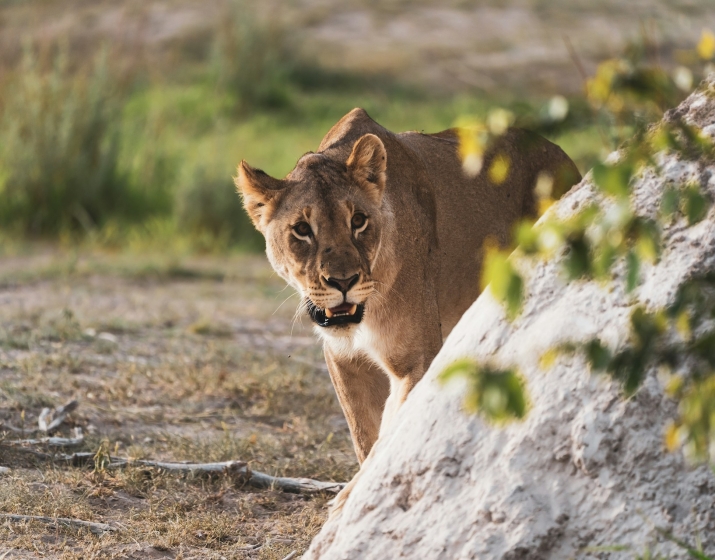
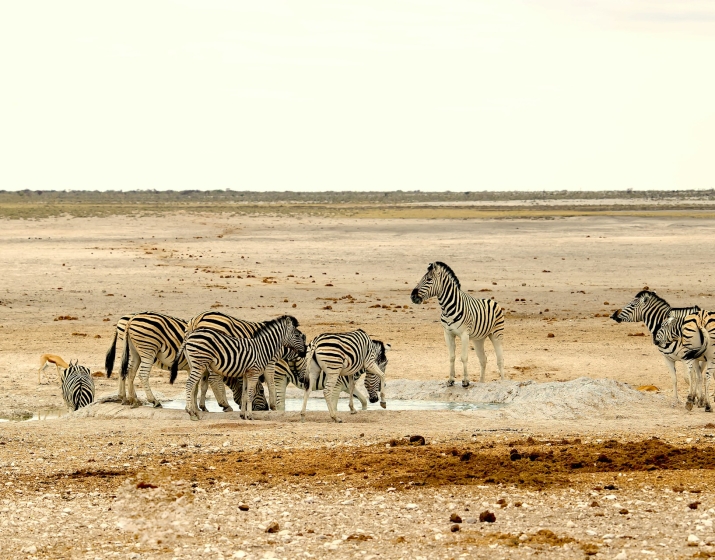
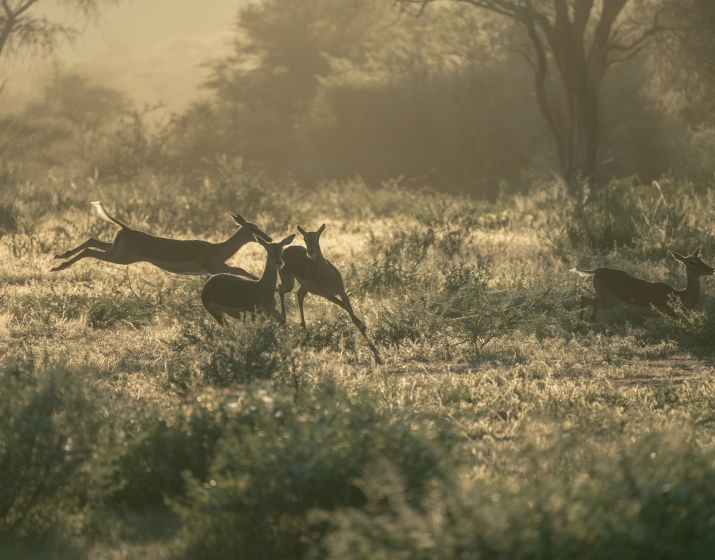
Namibia has a low cost of living. This keeps safari prices down. Etosha National Park has a strong network of fenced campgrounds. This makes it one of the safest and most accessible parks in Africa. Botswana’s campsites are often unfenced. Namibia’s are not, so nervous sleepers get better rest.
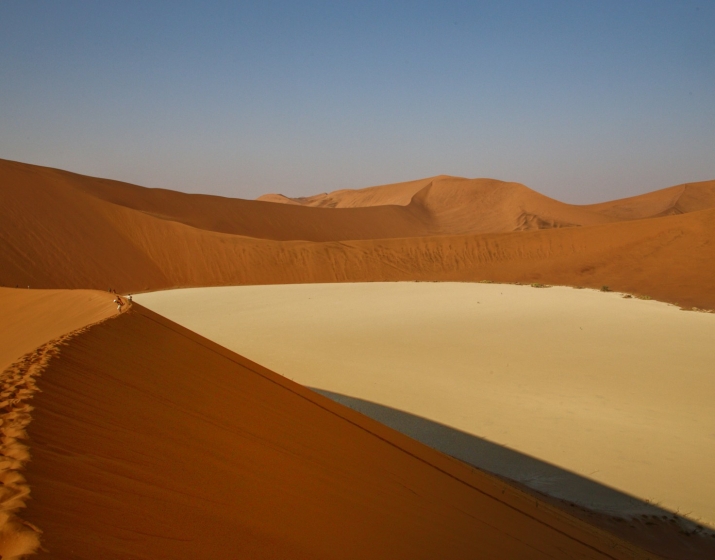
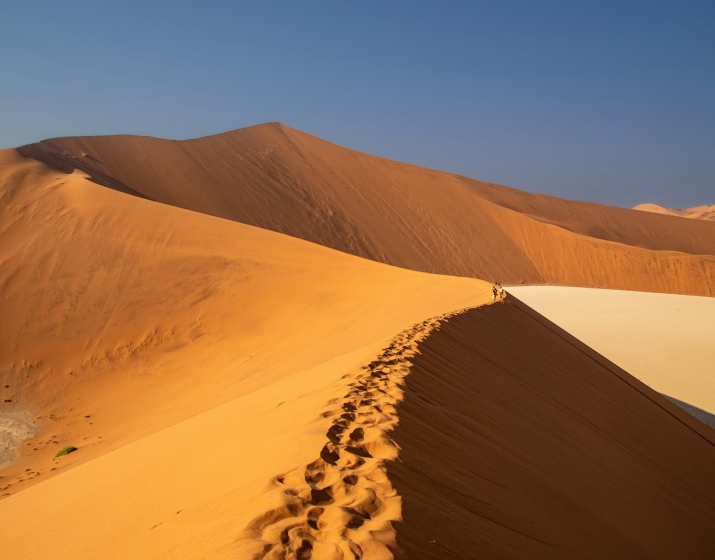
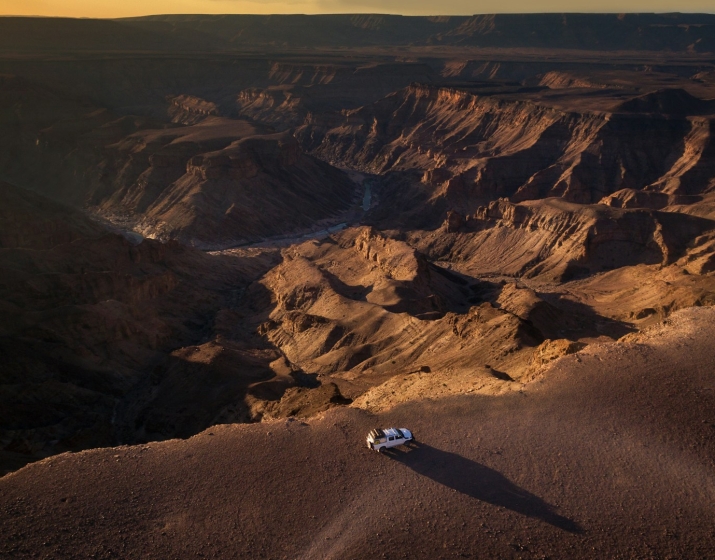
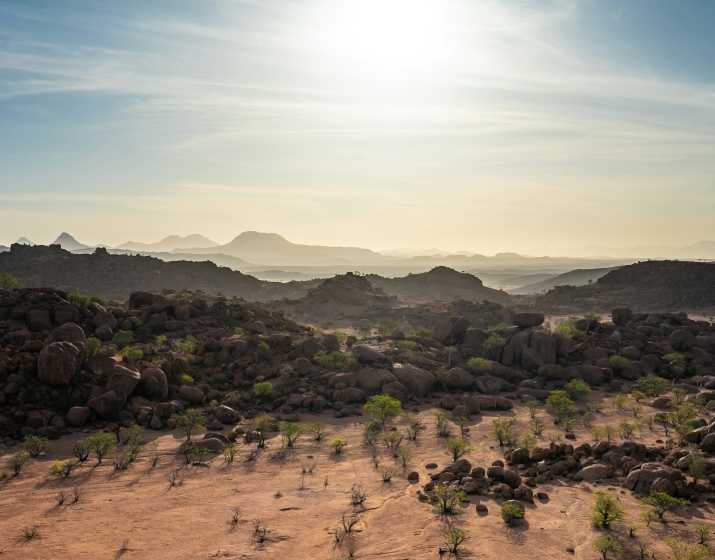
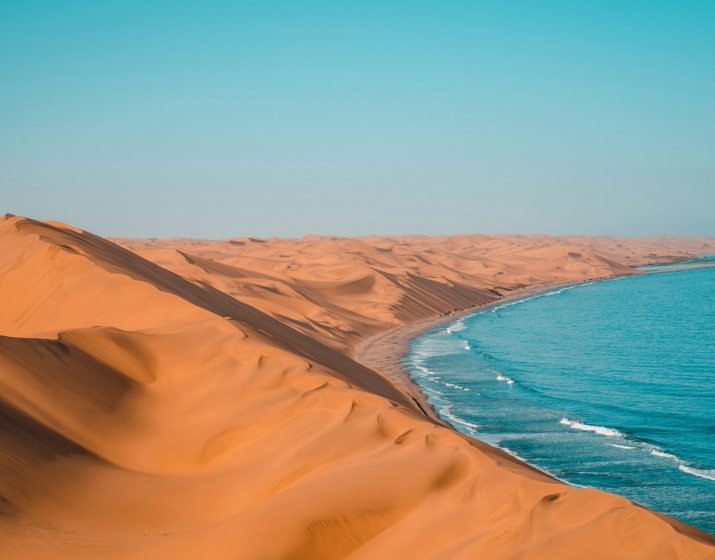
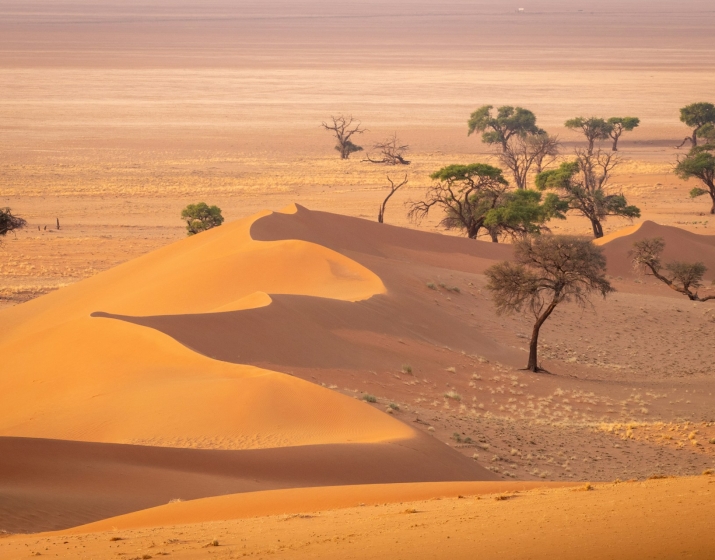
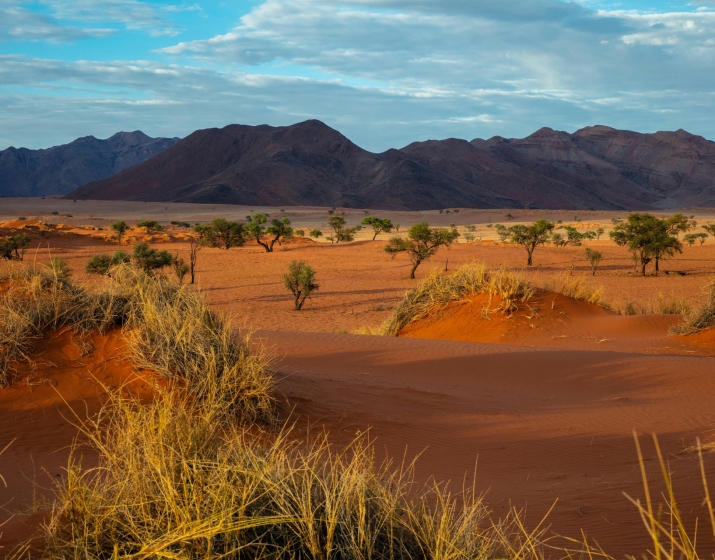
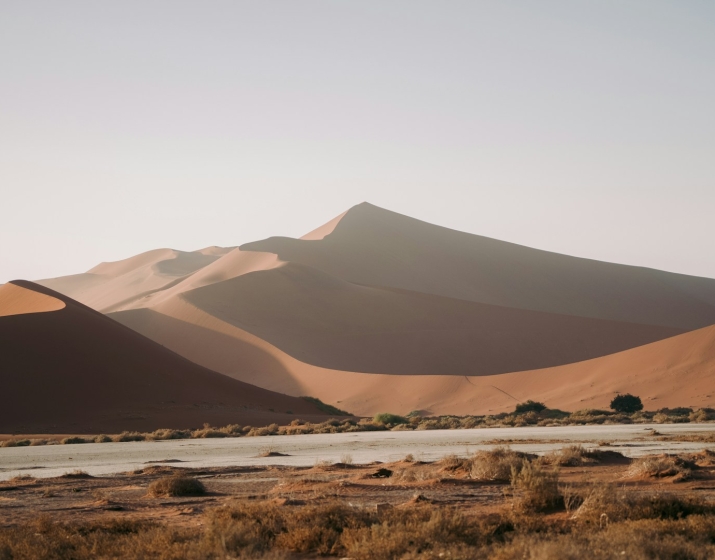
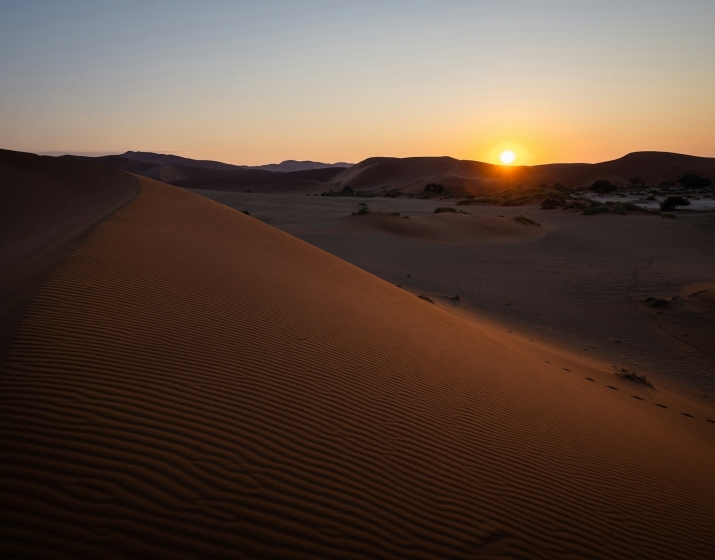
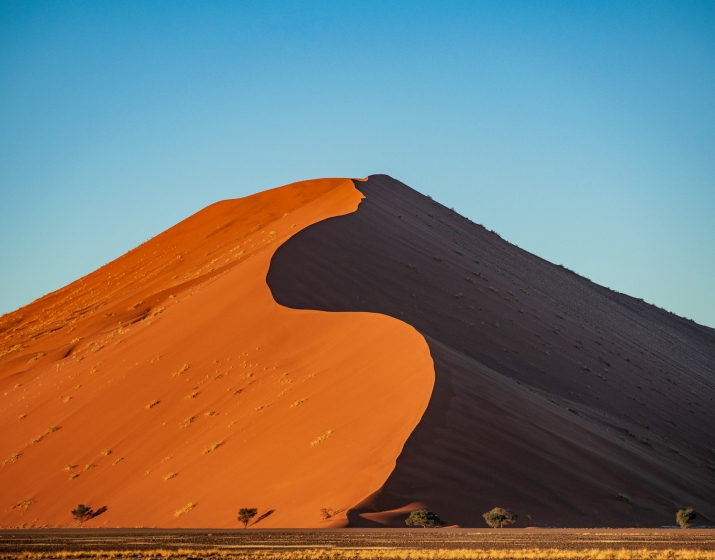
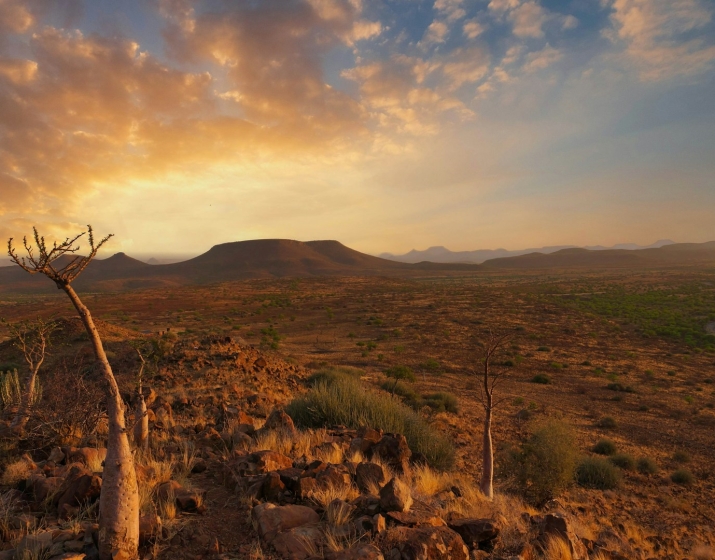
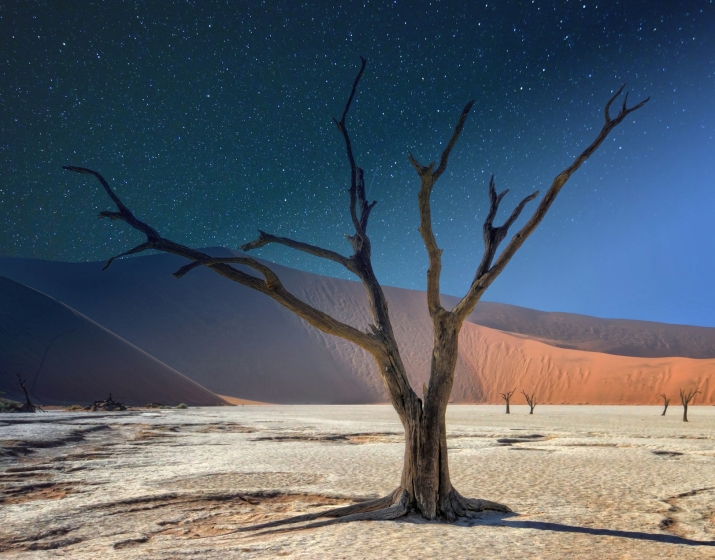
A budget route can include private reserves, Damaraland’s desert-adapted lions and elephants, and the dunes at Sossusvlei. Southern Namibia’s canyons are also affordable to hike. Flights to Windhoek can be expensive. Fares tend to fall as the route grows busier. Overland travel is a cheaper option for travelers already touring the region. Namibia is safer than South Africa and cheaper than Botswana. Book an affordable Namibia safari tour to cover all three regions in one trip.
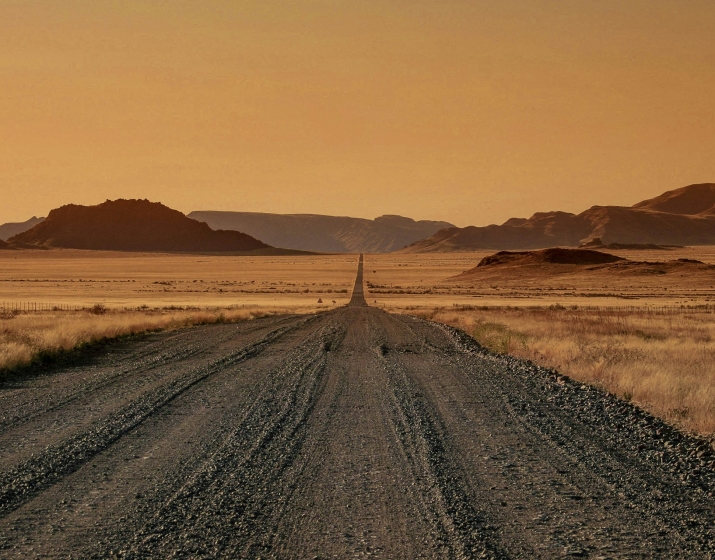
The country’s road network also helps keep costs down. Most major routes are well maintained gravel or tar. This makes it possible to self-drive between parks without hiring a specialist guide for every leg. Fewer specialist requirements mean lower daily costs across the whole trip.
What’s Included in a Cheap Namibia Safari
Most budget packages include transport and accommodation. Some include three meals a day. Others ask guests to help prepare food or pay extra for groceries. Camping safaris often require your own tent, sleeping bag and stove. Drinks usually cost extra. Park entry fees are sometimes bundled into the tour price and sometimes billed separately, so this is worth confirming directly with the operator.
Always confirm inclusions before booking. Two similarly priced tours can differ once meals, gear and transport are compared. A tour that looks cheaper on the surface may cost more once these extras are added back in. Ask for a full breakdown before comparing prices between operators.
Self-Drive vs Guided: Which Is Cheaper
Self-drive safaris cost less per person once the vehicle is paid for. Food, fuel and camping fees stay low. Camping gear is usually included in the rental price. Fuel is the biggest variable cost on long routes.
Self-drive is not always cheaper for solo travelers. Vehicle rental costs the same for one person or four. A group booking spreads that cost and lowers the price per person. Self-drive gives you control over your route and pace. Popular campsites inside national parks need advance booking, so full flexibility is limited. Most routes in Namibia do not require 4×4 experience. Help is rarely far away, even in remote areas, since major routes see steady traffic from other travelers and tour vehicles.
Guided group tours remove the planning work. A driver-guide handles navigation, campsite bookings and vehicle maintenance. This suits first-time visitors who want a lower-stress introduction to the country. Self-drive suits repeat visitors who already know the routes and want more control over timing.
A Typical Day on Tour
Game drives happen early morning and late afternoon, when animals are most active. Camping trips involve setting up and breaking down tents. Guests often help prepare meals and clean up afterward. Lodge-based tours leave more free time between drives. Midday is usually reserved for travel between campsites or rest during the heat. Most days end with dinner and time around the campfire, where guides often share information about the wildlife and geology seen that day.
Accommodation Options for Budget Travelers
Basic camping uses dome tents with a thin mattress. Some sit on a raised platform for comfort. A step up is the semi-permanent safari tent. These often include a proper bed and an en-suite bathroom, along with a small deck or sitting area at some sites. Lodges and guesthouses in towns offer more protection from insects and wildlife, though they lack the open-air feel that many travelers come to Namibia for.
Namibia Wildlife Resorts runs affordable campsites and mid-range bush chalets in many parks. These sites are government-managed and generally well maintained. Book a stay here for reliable, low-cost accommodation across your route. Private campsites near park boundaries offer a similar standard, often at a comparable price.
Budget Namibia Safari Tour Cost Breakdown
Organized budget tours start from $130 per person per day on a twin-share basis. Solo travelers pay $165 to $195 per day. Price rises with accommodation quality, group size, guide numbers and food quality.
For full trips, a self-drive camping safari costs $900 to $2,200 per person. A group guided budget tour costs $1,400 to $4,000 per person. These two options offer the best value for travelers looking for cheap Namibia safaris. Mid-range self-drive trips using guesthouses and lodges cost $1,700 to $4,500 per person, which gives budget travelers a clear upgrade path if they want extra comfort on a future trip.
Average Duration Namibia Safari Cost
| Travel Style | Cost Per Day (USD) | Cost for 7 Days (USD) |
|---|---|---|
| Budget self-drive and camping | $130 – $195 | $900 – $2,200 |
| Budget group guided tour | $200 – $400 | $1,400 – $4,000 |
| Mid-range self-drive (guesthouses/lodges) | $240 – $640 | $1,700 – $4,500 |
| Upscale self-drive (premium lodges) | $500 – $1,400 | $3,500 – $9,800 |
| Mid-range private guided safari | $640 – $1,780 | $4,500 – $12,500 |
| Luxury fly-in safari | $1,400 – $4,300+ | $10,000 – $30,000+ |
General Duration Namibia Safari Cost
| Trip Length | Budget $300–$400/day | Mid-Range $450–$750/day | Luxury $900–$1,300/day | Ultra-Luxury $1,500–$3,000+/day |
|---|---|---|---|---|
| 2 Days | $600 – $800 | $900 – $1,500 | $1,800 – $2,600 | $3,000 – $6,000 |
| 3 Days | $900 – $1,200 | $1,350 – $2,250 | $2,700 – $3,900 | $4,500 – $9,000 |
| 4 Days | $1,200 – $1,600 | $1,800 – $3,000 | $3,600 – $5,200 | $6,000 – $12,000 |
| 5 Days | $1,500 – $2,000 | $2,250 – $3,750 | $4,500 – $6,500 | $7,500 – $15,000 |
| 6 Days | $1,800 – $2,400 | $2,700 – $4,500 | $5,400 – $7,800 | $9,000 – $18,000 |
| 7 Days | $2,100 – $2,800 | $3,150 – $5,250 | $6,300 – $9,100 | $10,500 – $21,000 |
| 8 Days | $2,400 – $3,200 | $3,600 – $6,000 | $7,200 – $10,400 | $12,000 – $24,000 |
| 9 Days | $2,700 – $3,600 | $4,050 – $6,750 | $8,100 – $11,700 | $13,500 – $27,000 |
| 10 Days | $3,000 – $4,000 | $4,500 – $7,500 | $9,000 – $13,000 | $15,000 – $30,000 |
| 11 Days | $3,300 – $4,400 | $4,950 – $8,250 | $9,900 – $14,300 | $16,500 – $33,000 |
| 12 Days | $3,600 – $4,800 | $5,400 – $9,000 | $10,800 – $15,600 | $18,000 – $36,000 |
| 13 Days | $3,900 – $5,200 | $5,850 – $9,750 | $11,700 – $16,900 | $19,500 – $39,000 |
| 14 Days | $4,200 – $5,600 | $6,300 – $10,500 | $12,600 – $18,200 | $21,000 – $42,000 |
| 15 Days | $4,500 – $6,000 | $6,750 – $11,250 | $13,500 – $19,500 | $22,500 – $45,000 |
| 16 Days | $4,800 – $6,400 | $7,200 – $12,000 | $14,400 – $20,800 | $24,000 – $48,000 |
| 17 Days | $5,100 – $6,800 | $7,650 – $12,750 | $15,300 – $22,100 | $25,500 – $51,000 |
| 18 Days | $5,400 – $7,200 | $8,100 – $13,500 | $16,200 – $23,400 | $27,000 – $54,000 |
| 19 Days | $5,700 – $7,600 | $8,550 – $14,250 | $17,100 – $24,700 | $28,500 – $57,000 |
| 20 Days | $6,000 – $8,000 | $9,000 – $15,000 | $18,000 – $26,000 | $30,000 – $60,000 |
| 21 Days | $6,300 – $8,400 | $9,450 – $15,750 | $18,900 – $27,300 | $31,500 – $63,000 |
Figures are per person, calculated from the daily rate ranges for each travel style. Actual costs vary based on season, group size and specific lodges or camps booked.
Why Namibia Safaris Are Priced This Way
Namibia’s safari destinations sit far from towns and main roads. Long distances raise fuel and transport costs. Remote lodges generate their own power. They truck in or fly in supplies. They manage their own water and waste systems. These costs apply at every price level, whether a stay costs $50 a night or $500 a night.
Tourism contributes close to a fifth of Namibia’s GDP, according to the Namibia Ministry of Environment, Forestry and Tourism. This funds better roads, parks and services than many nearby countries offer. It does not lower the cost of operating in remote desert areas. Understanding this helps set realistic expectations before booking a budget trip.
Costs Budget Travelers Often Miss
Fuel adds up fast on routes of 2,500 to 3,500 kilometers. Gravel roads push fuel use above 12 liters per 100 kilometers. Insurance excess is often $500 to $2,000. This rarely covers tyres, windscreens or wildlife strikes. A single tyre replacement can cost $130 to $200. A windscreen replacement can cost $300 or more.
Park fees, activities and single-room supplements add further cost. Travelers booking alone should ask about single supplements before confirming a tour, since these can add a meaningful amount to the total price. A self-drive trip budgeted at $900 often ends up costing $1,200 to $1,500 once every cost is included.
Vehicle Rental and Fuel Costs
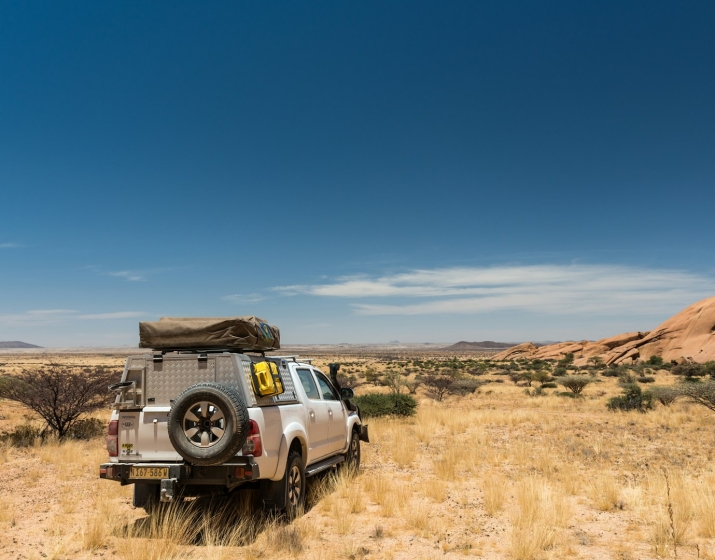
A 2WD sedan only works on tarred roads. Most of Namibia’s best sites need gravel driving, so a 4×4 is the safer choice. Rooftop tents add convenience and cost. A standard 4×4 with no camping kit rents for around $117 per day. Adding one rooftop tent raises this to around $173 per day.
Rental rates rise in peak season, from July to mid-November. Book early or travel in shoulder season for better rates. Fuel stations can be 200 to 400 kilometers apart in remote regions. Fill up whenever you can, not only when the tank is low. Running low on fuel between stations is one of the most common problems for first-time self-drivers in Namibia.
Best Time to Book a Budget Safari
Lodge rates stay stable through the year. Savings come mainly from cheaper flights and lower vehicle rental rates. Shoulder season runs from March to June and offers good conditions and value. Green season runs from December to February and has the lowest overall costs, along with fewer other travelers on the road.
Peak season runs from July to mid-November. Flights and rentals cost more, and top lodges book out ten to twelve months ahead. July and August can be cold and windy in the early morning. September and October offer warmer conditions but higher demand. Book your budget Namibia safari tour early to secure the best rate, regardless of season.
Ways to Lower Your Safari Cost
Plan a route that avoids backtracking. This saves fuel and driving time. Travel in a group of three or four to split vehicle rental costs. A vehicle that costs $191 per day becomes roughly $48 per person per day when split four ways, before fuel.
Mix accommodation types. Stay at a stronger lodge for a few nights and use mid-range or camping options for the rest. This keeps a few standout experiences in the trip without paying premium rates every night. Book vehicles, flights and accommodation early to secure lower rates and better availability.
Book Your Budget Namibia Safari Tour
Namibia will not match East Africa’s wildlife density. It offers something different: desert, coastline, canyon and open plain on one route, at a lower cost than most safari destinations. Travelers who plan around these costs get strong value for their money. Book a budget Namibia safari tour today to see Etosha, Damaraland and Sossusvlei on one affordable trip.